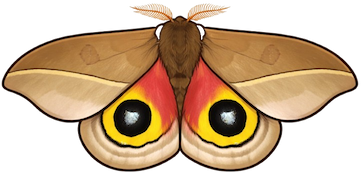








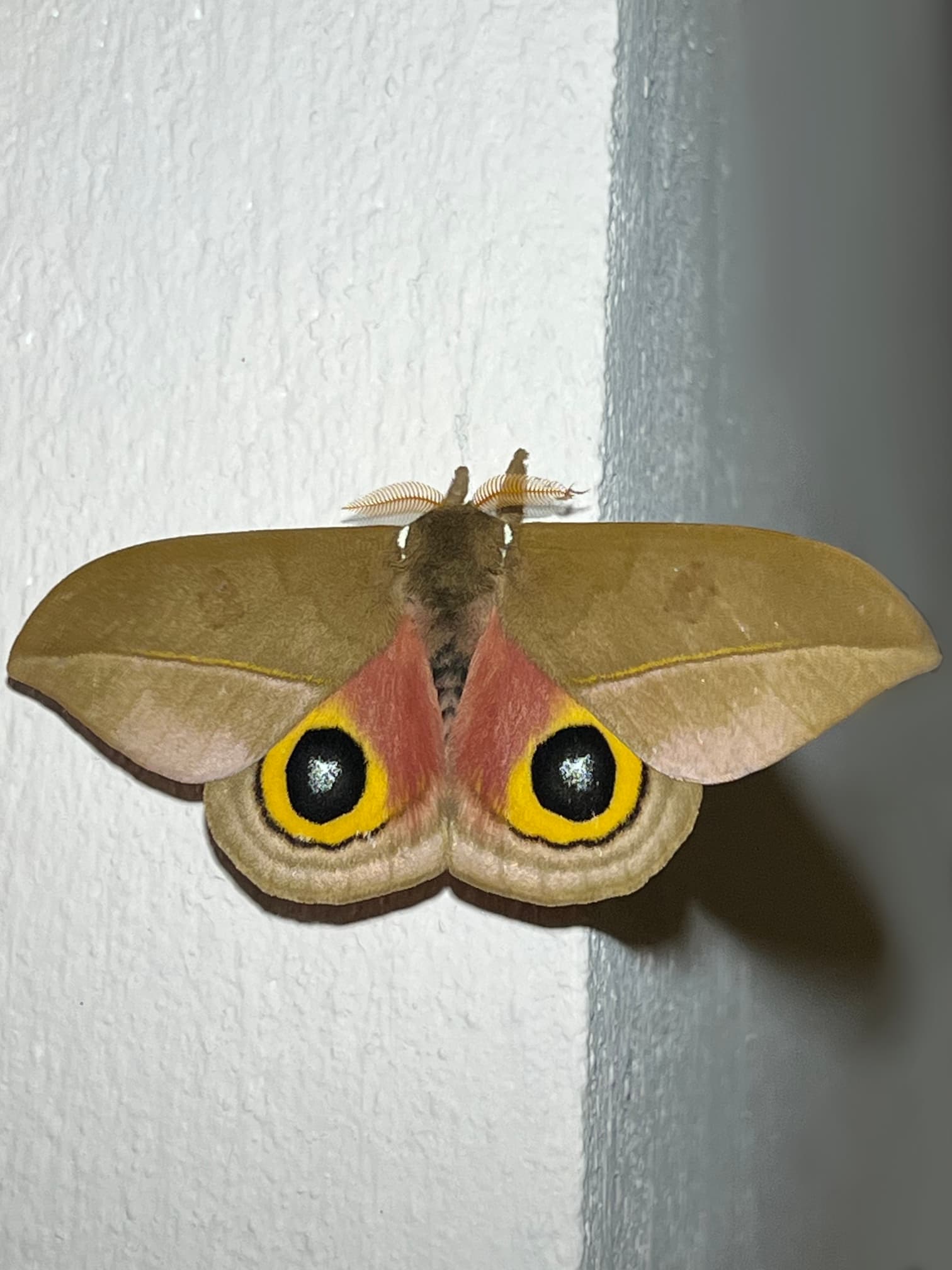
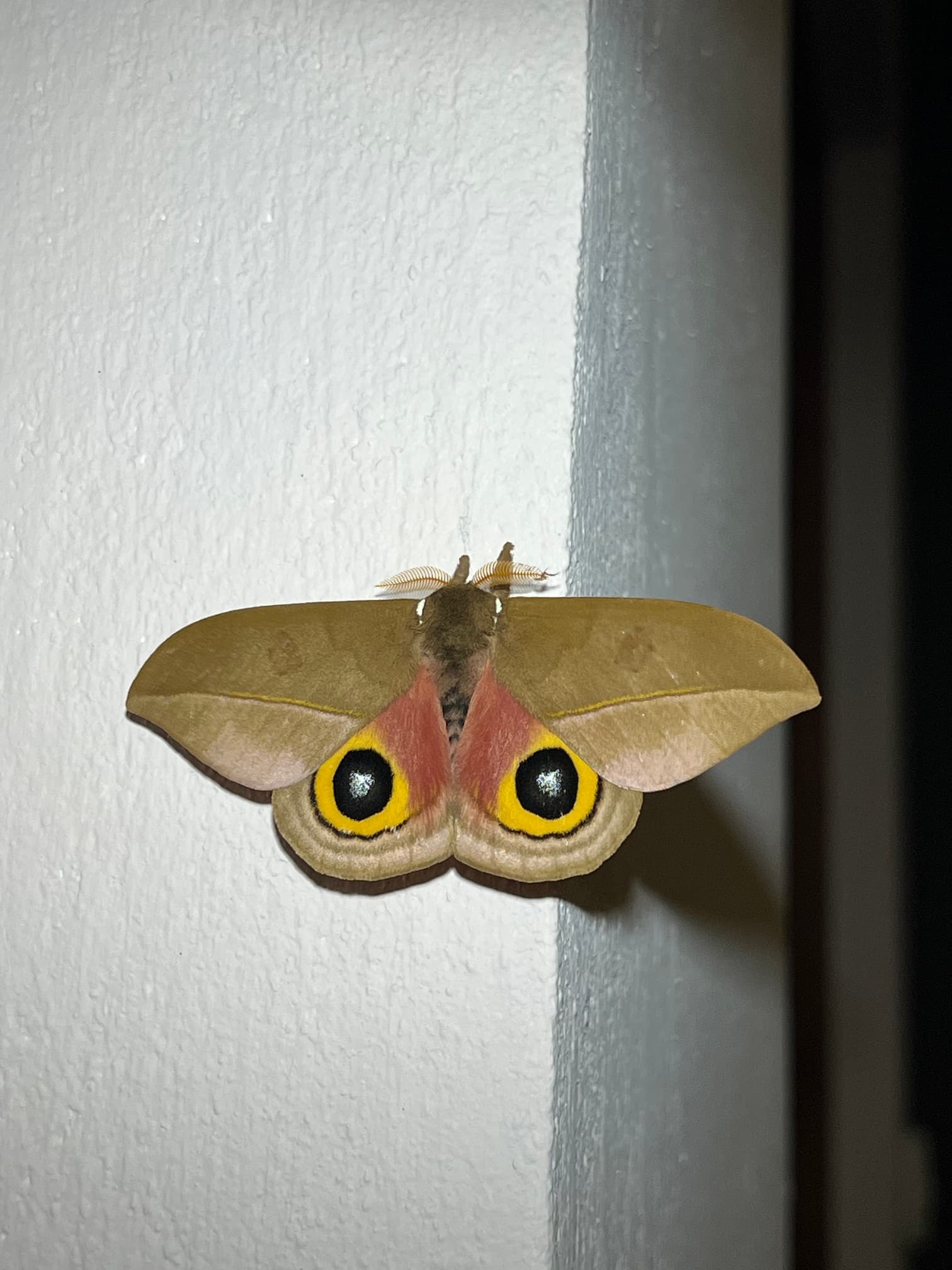
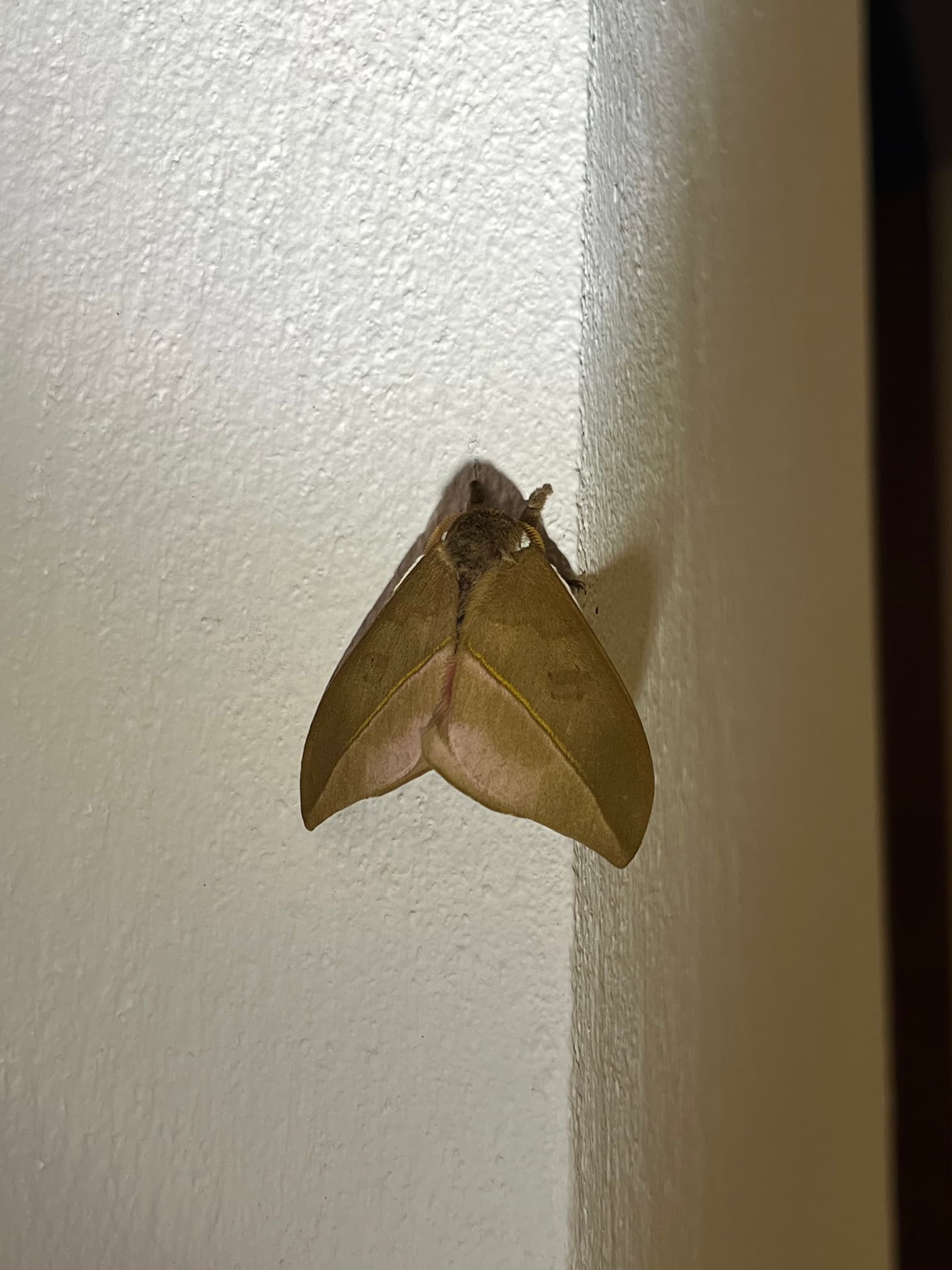
Automeris Moth (Automeris belti) is a striking species of giant silk moth found in Central America, known for its vivid eyespots and highly defensive caterpillar stage. While the adult moth is harmless and short-lived, the larva is covered in venomous spines.
RangeAutomeris belti is found throughout Central America, including Costa Rica, Nicaragua, Honduras, and Panama.
In Costa Rica, it is commonly found in:
They thrive in warm environments with abundant host plants for larvae.
BehaviorPrimarily nocturnal, adults are attracted to light and remain inactive during the day. When threatened, they may suddenly reveal large eyespots on their hindwings to startle predators. Caterpillars cluster together when young and display synchronized defensive behavior.
ReproductionFemales lay clusters of eggs on host plants. The caterpillars hatch and go through several instars, developing increasingly potent venomous spines. After pupation in leaf litter or soil, adults emerge with a short lifespan focused on reproduction.
Lifespan
Specification 🧬Latin name: Automeris belti
Family: Saturniidae
Order: Lepidoptera
Size: ~7–10 cm wingspan
Weight: <1 g
Lifespan: ~5–10 days


















🎁 Fun Fact:
Part of the giant silk moth family, related to some of the largest moths in the world
These moths are aphagous:
Aphagia is the lack of nutrition in animals at certain stages of development (larvae, pupae, and some adult insects, such as mayflies) that live off previously accumulated fat reserves.
🪐 The name “Saturniid” comes from the Roman god Saturn, referring to the ring-like eyespots on the wings that resemble planetary rings.
The larval stage (caterpillar) is bright green and covered in venomous spines.
👉 Full details: Automeris belti (caterpillar)
⚠️ Advice:
Look at night near lights (porch lights, street lamps)
Search vegetation for spiny caterpillars during the day
Check leaves for clustered larvae
Best chances in warm, humid environments and rainy season
⚠️ Safety Tips