







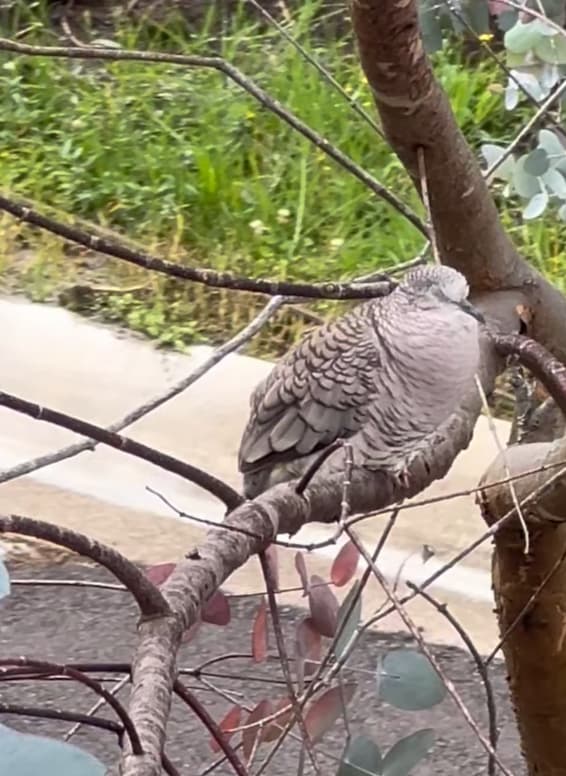
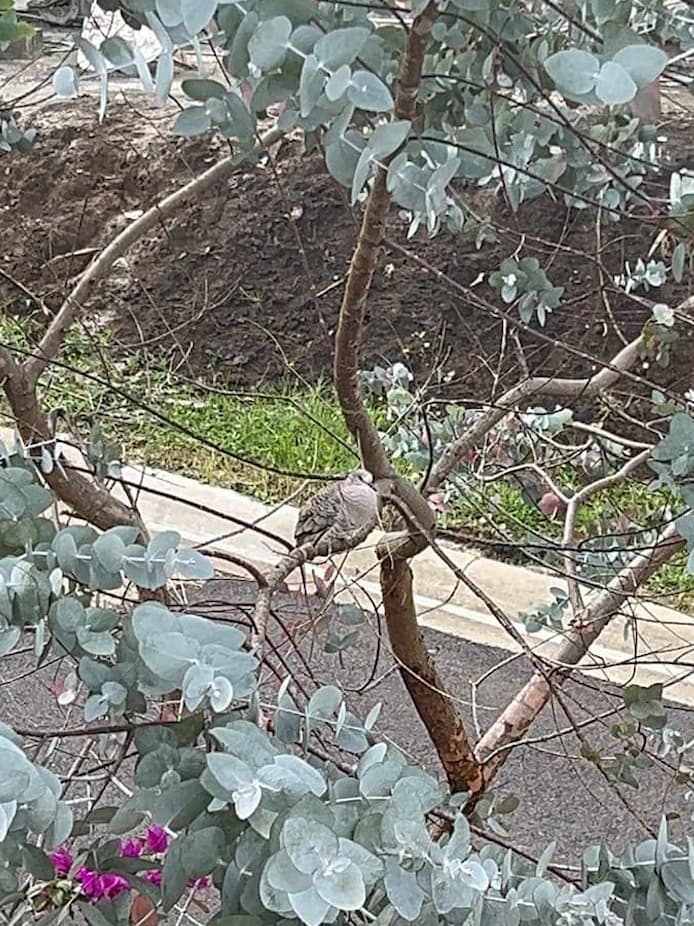
A small and widespread dove, the Inca Dove thrives in dry and semi-open habitats, including urban and suburban landscapes. It is easily recognized by its delicate scaly pattern and long tail with white tips. Unlike larger pigeons, Inca Doves walk and forage quietly on the ground, often in small flocks.
.jpg)
RangeNative to Central America, extending from southern Texas and Arizona in the U.S. through Mexico and into Costa Rica.
In Costa Rica, it occurs mainly in lowland areas, especially in dry regions and semi-arid zones.
BehaviorThese doves are highly adaptable, capable of surviving in dry scrublands, agricultural fields, and even city parks.
Usually seen alone or in pairs. It feeds primarily on small seeds gathered from the ground, occasionally ingesting grit to aid digestion. Flight is fast and direct; wings produce a soft whistling sound when taking off.
Their soft, continuous cooing adds a gentle soundtrack to the lowland landscapes of Costa Rica.
ReproductionNesting is simple and minimal: a small, flimsy platform of twigs placed low in shrubs or small trees.
Clutch size: Typically 2 eggs. Both parents share incubation and chick care.
🧬 SpecificationLatin name: Columbina inca
Family: Columbidae
Size: 16–18 cm
Weight: 26–40 g
Intellegence: Moderate 2 out of 5
Lifespan: 3-5 years


















🎁 Fun Fact:
Inca Doves often form “cooing chains” — long lines of individuals calling to one another, creating a soft, continuous cooing sound. Dedicated parents — both male and female take turns incubating eggs and feeding chicks with a nutritious “pigeon milk” (a secretion mixed with softened seeds), as is typical for all pigeons and doves. Nature’s soundtrack - their soft, repetitive “coo-coo” is considered soothing and is often used in nature recordings and meditation audio.
⚠️ Advice:
Watch quietly in gardens or open fields to see their characteristic hopping and foraging. Listen for their soft, repetitive cooing, especially during early morning or late afternoon.