








The Mexican Mouse Opossum (Marmosa mexicana) is a small nocturnal marsupial of Central America, including Costa Rica. Despite its mouse-like appearance, it belongs to the opossum family. With a long prehensile tail and big eyes, it hunts insects and eats fruits at night while playing an important role in forest ecosystems.
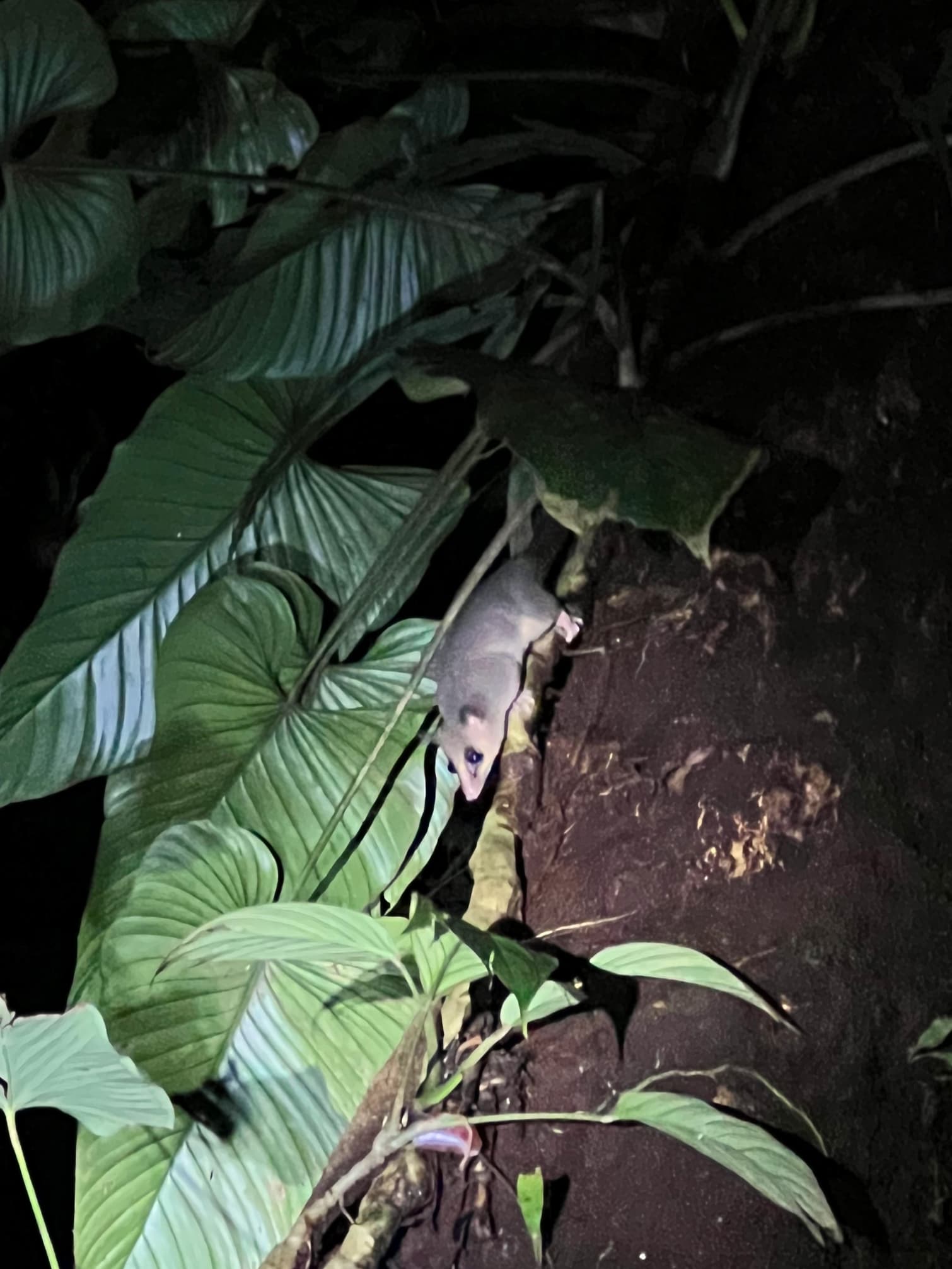
RangePrefers tropical and subtropical forests in Central America, especially areas with dense vegetation.
It is well adapted to disturbed habitats and can be found in coffee plantations and secondary forests.
BehaviorOne of the smallest marsupials in the Americas.
Active exclusively at night, it roams the tropical forests.
Omnivorous with an emphasis on insects. Eats grasshoppers, beetles, spiders, larvae. In fruit season, it feeds on berries and nectar, making it a small but important pollinator of tropical plants.
ReproductionFemales do not have a pouch — instead, the young cling to teats on the mother’s belly.
Litter size: 5–12 young.
Gestation: ~14 days (very short, typical for marsupials).
Young continue development attached to mother, later ride on her back.
🧬 SpecificationLatin name: Tamandua mexicana
Family: Didelphidae
Size: 10–15 cm
Tail: 15–20 cm
Weight: 35-100 g
Lifespan: 2–4 years



















🎁 Fun Fact:
Unlike most rodents, the Mexican Mouse Opossum is a marsupial — closer related to kangaroos than to mice. Its prehensile tail acts like a fifth limb, helping it balance and carry nesting material.
⚠️ Advice:
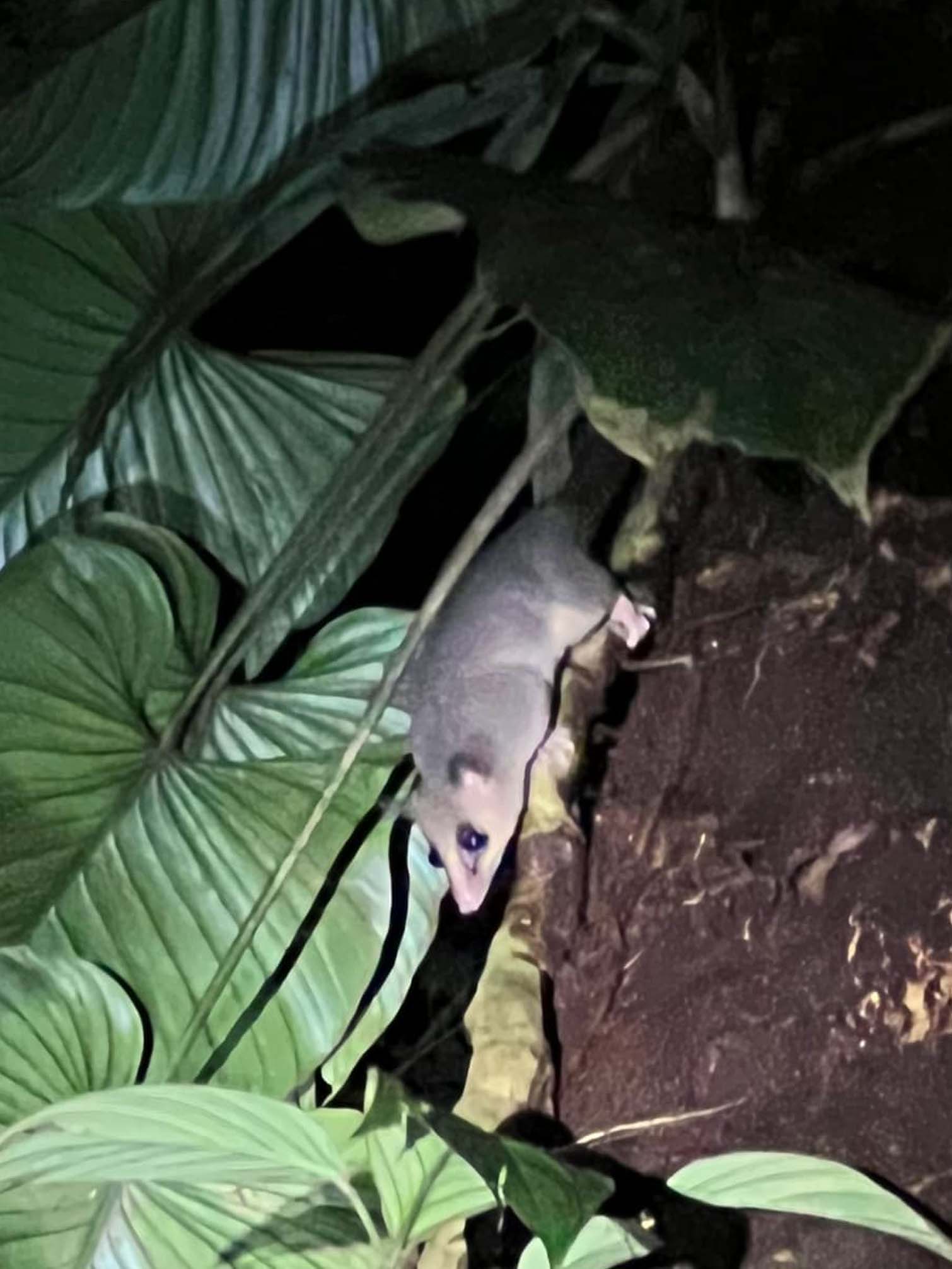
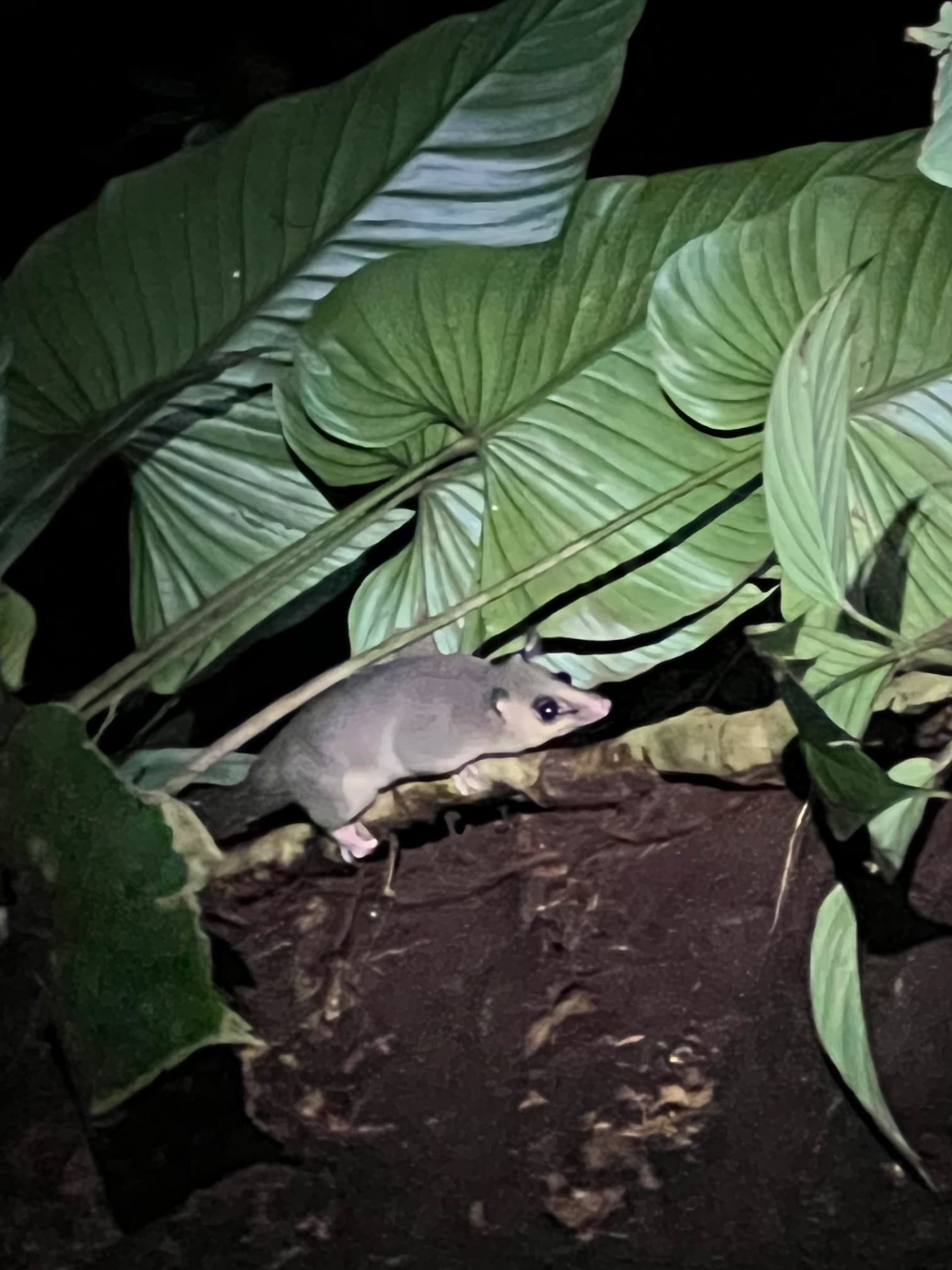
A nocturnal and secretive animal, it is extremely difficult to see it during the day.
The best chances of meeting it are at dusk or at night, in places with dense undergrowth and the presence of dead branches, vines and tree bark, where it can search for insects and fruits.