








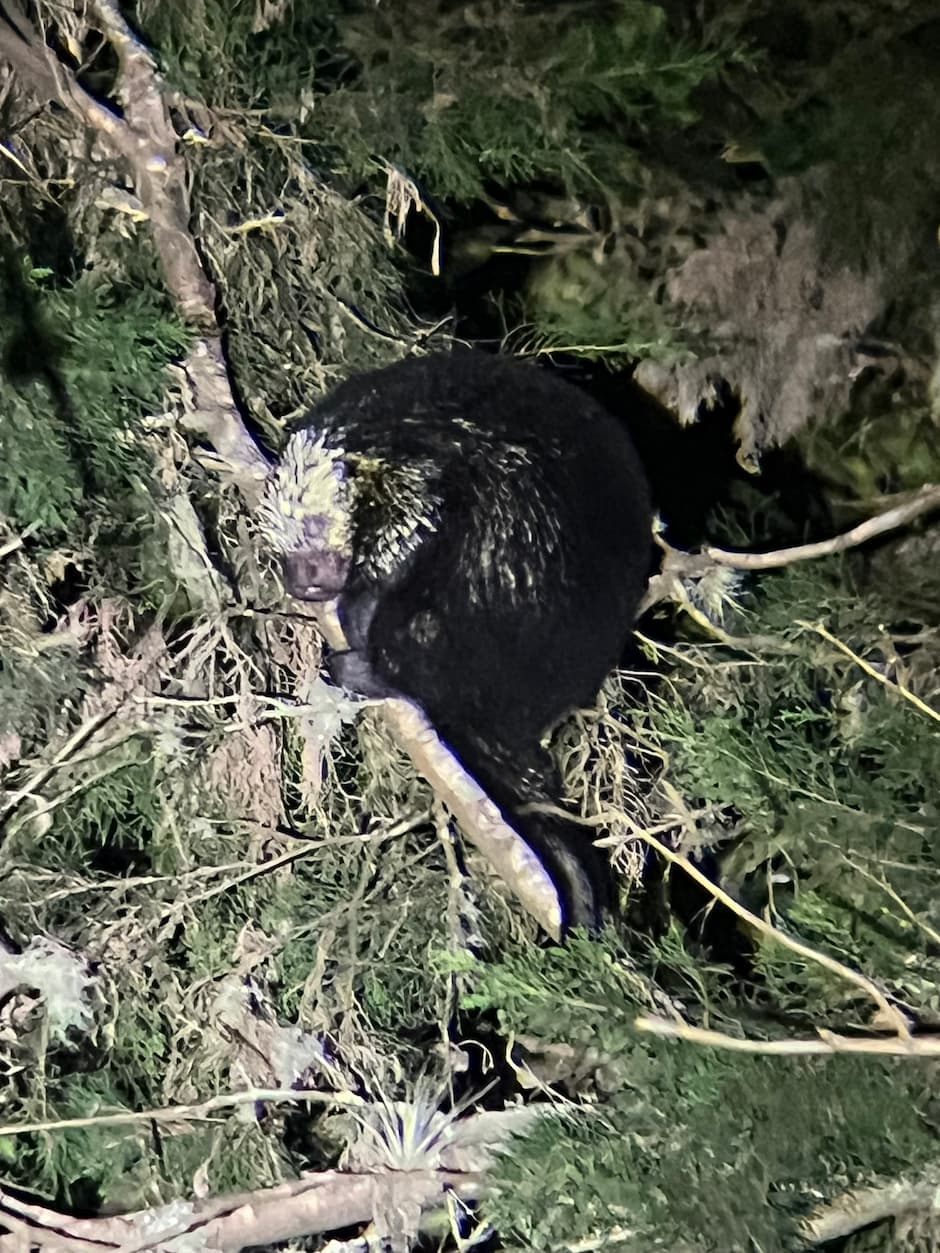
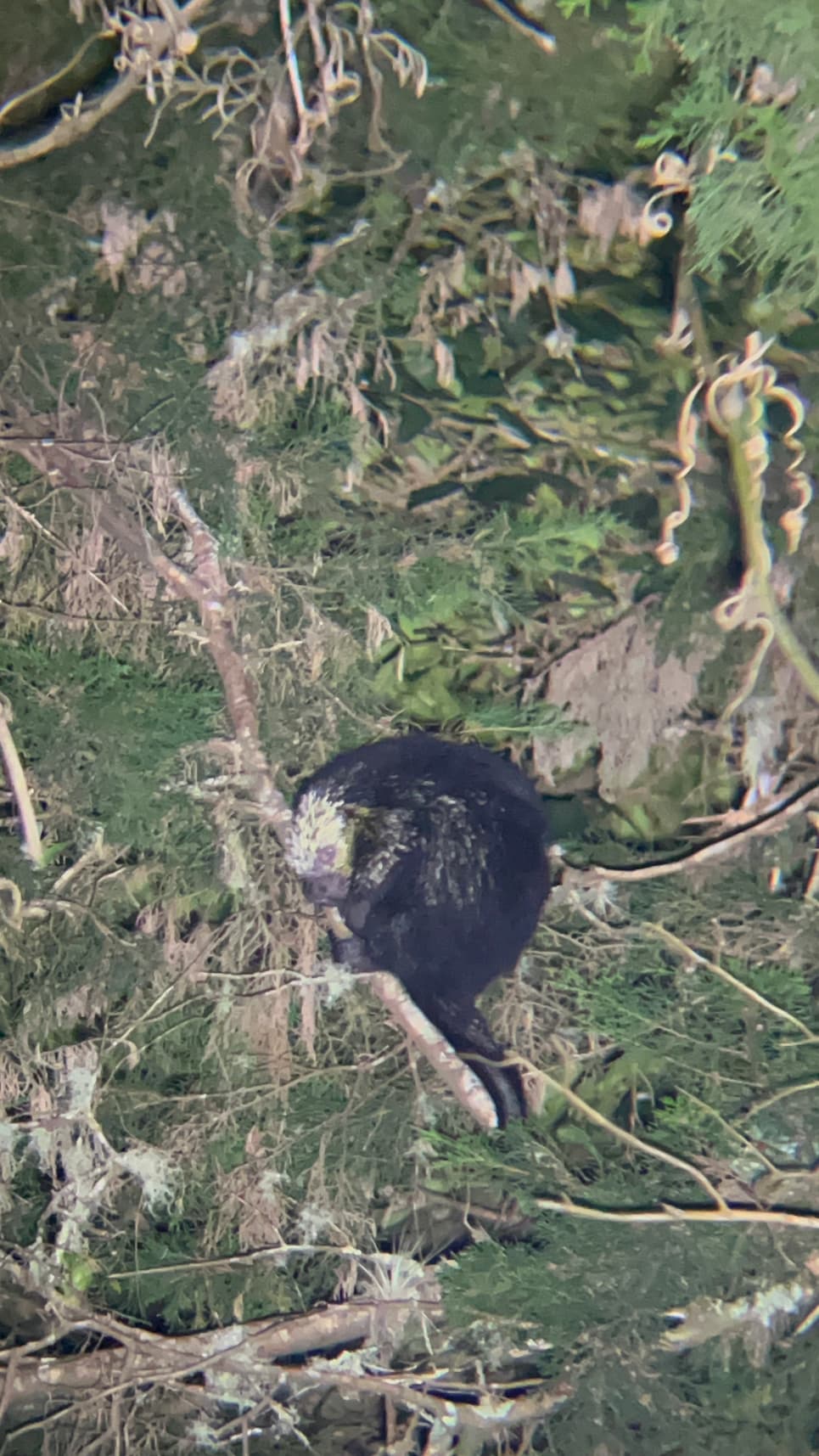
The Mexican Prehensile-Tailed Porcupine is one of the most unusual nocturnal mammals of Central America. Living almost entirely in trees, it moves slowly and carefully through the canopy using its muscular prehensile tail for stability. Its body is protected by sharp quills that discourage predators, though the animal itself is typically calm and defensive rather than aggressive. In Costa Rica, it inhabits humid forests and is most active at night, feeding on leaves, fruit, and bark. Because of its secretive behavior and arboreal lifestyle, sightings are relatively uncommon, making encounters especially memorable.

RangeThe species occurs from southern Mexico through Central America, including Costa Rica, Panama, Nicaragua, and Honduras.
In Costa Rica, it is most commonly found in: humid rainforests, forest edges, occasionally near rural gardens and plantations.
They are highly arboreal and rarely descend to the ground.
BehaviorA slow and cautious nocturnal climber, this porcupine relies on its strong prehensile tail for balance and support while moving through trees. When threatened, it curls up or turns its back toward predators, exposing sharp quills as defense.
Quills:
• Very sharp
• Can penetrate deeply into the skin
• Difficult to remove because of tiny barbs
• May sometimes cause inflammation
ReproductionFemales usually give birth to a single young after a gestation period of several months. The baby is born with soft quills that harden shortly after birth. Young remain dependent on the mother for an extended period while learning to climb and forage.
Specification 🧬Latin name: Coendou mexicanus
Family: Erethizontida
Order: Rodentia
Size: ~60–90 cm
Weight: ~2–5 kg
Lifespan: ~10–15 years
Intelligence: 3 out of 5



















🎁 Fun Fact:
⚠️ Advice:
⚠️ Safety Tips