






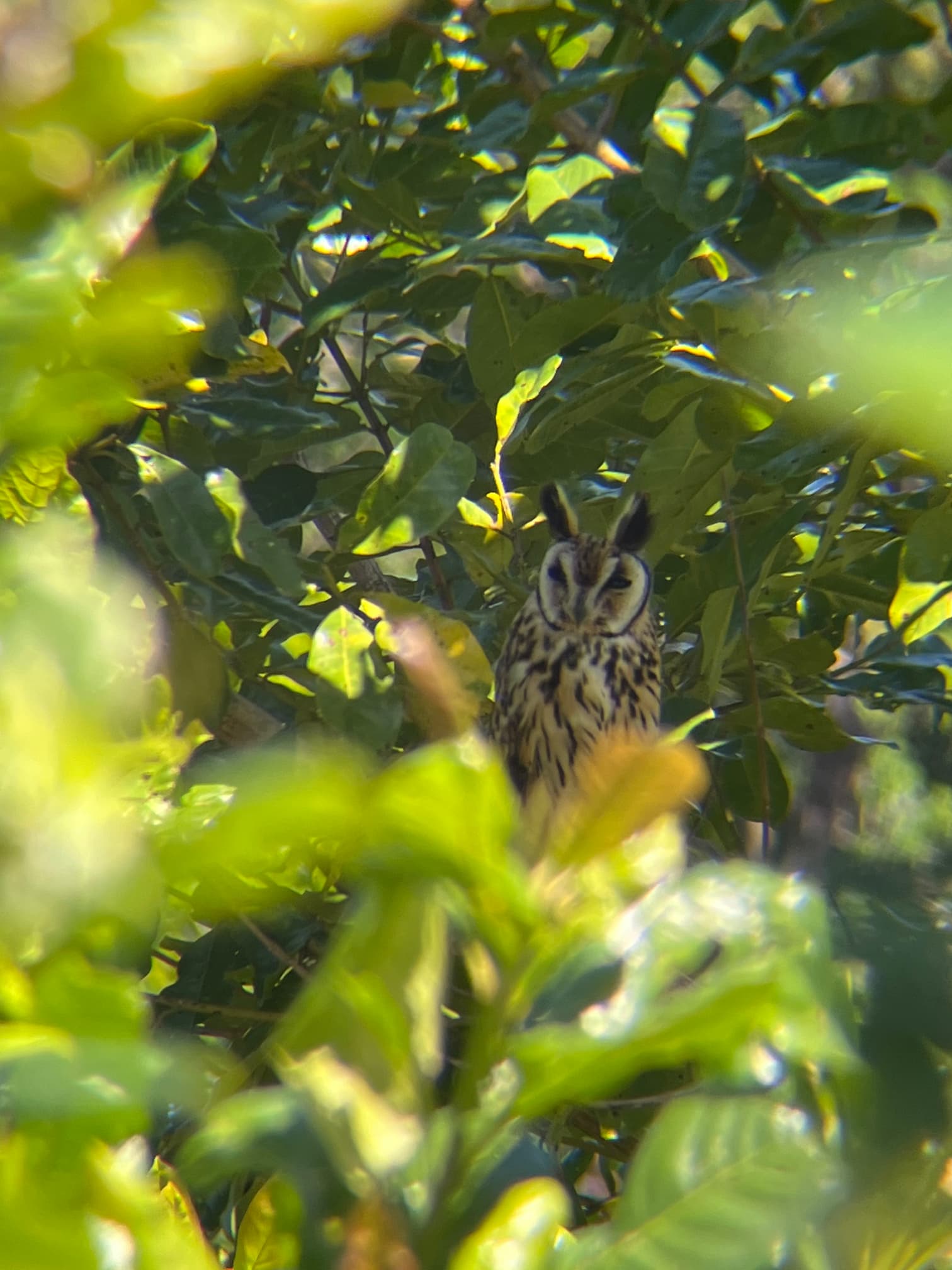
A large owl with a rounded head and dark eyes. Its plumage is distinctly barred: horizontal stripes on the chest, and vertical stripes on the belly.The female is slightly larger, but visually similar to the male.
RangeInhabits humid forests of North and Central America. In Costa Rica, it lives on the Caribbean slope and in cloud forests at higher elevations.
"I first saw it in the wild in Costa Rica. It was sitting on a branch and not moving, as if it was posing."
BehaviorNocturnal hunter — feeds mainly on small mammals like rats, mice, opossums, and also birds, lizards, frogs, and large insects.
It produces a deep hooting call that sounds like a question — in Costa Rica, it’s nicknamed “la que pregunta” (“the one who asks questions”).
ReproductionNests in tree cavities or uses abandoned nests of hawks or crows.
Lays 2–3 eggs.
The chicks fledge after 4–6 weeks, but parents continue feeding them for some time afterward.
Specification 🦉Latin name: Asio clamator
Family: Strigidae (true owls)
Size: 36cm
Weight: 500–1050g
Intelligence: Medium
Lifespan: 10-15 years


















🎁 Fun Fact: The Striped Owl can rotate its head up to 270 degrees, allowing it to spot prey without moving its body.
Unlike most owls, the búho listado (Mottled Owl) is often heard more than seen, thanks to its haunting, rhythmic call that echoes through Central and South American forests at night.
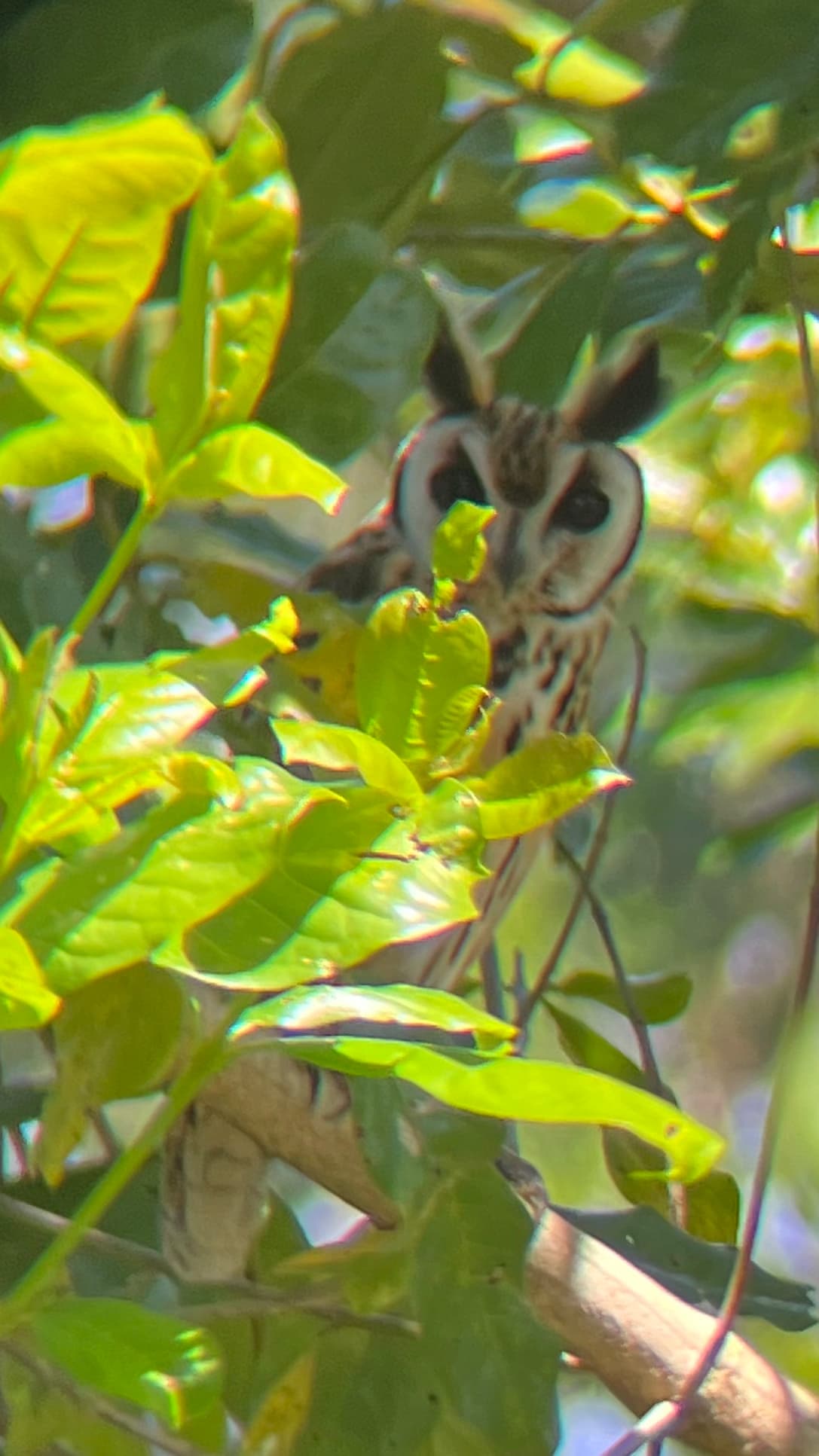
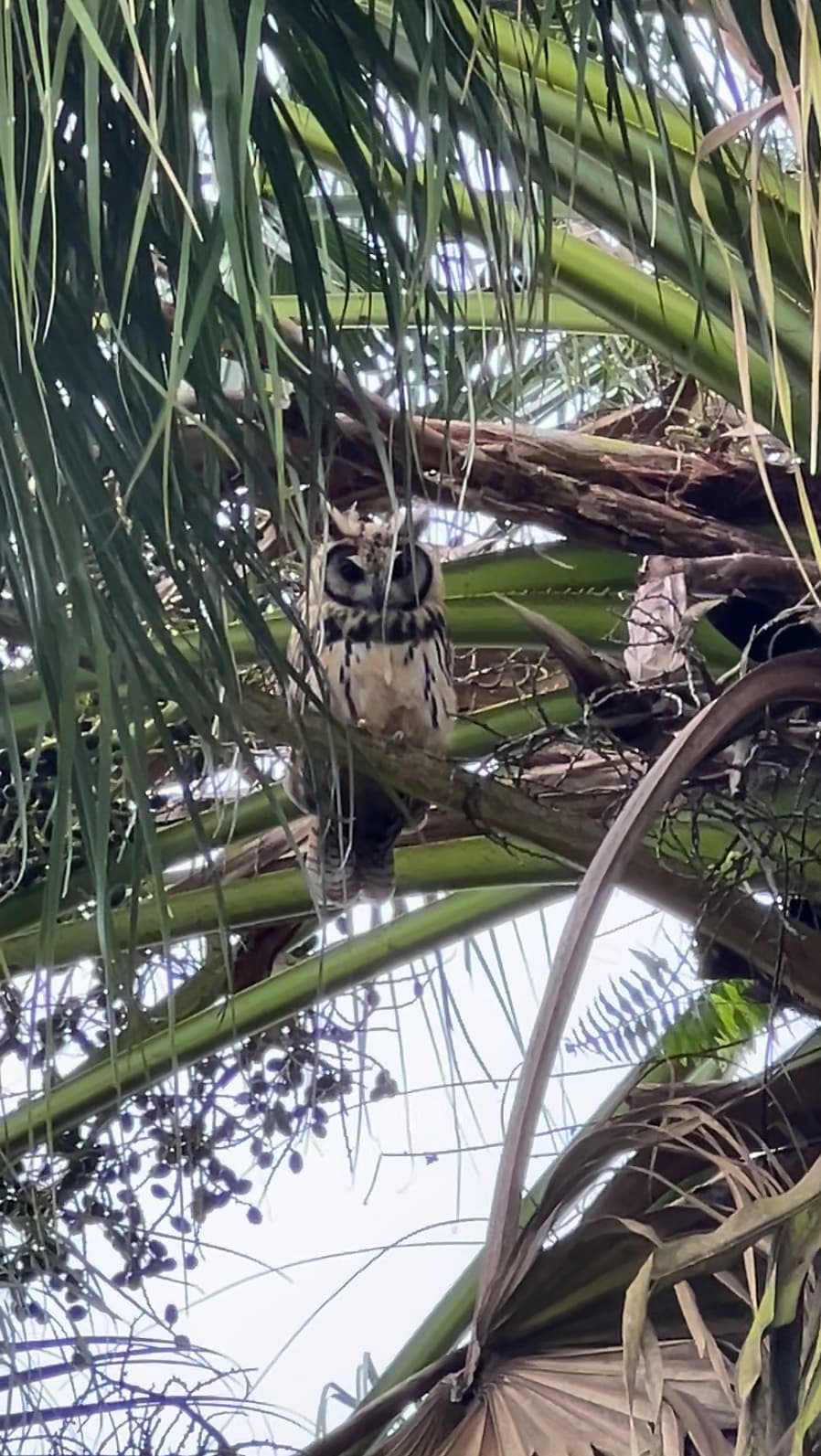
The owl I managed to capture was hatching eggs, so I was able to photograph it during the day. On another day, it was already guarding its chicks.
⚠️ Advice: Observe from a distance at dusk or night using binoculars—striped owls are shy and best spotted when perched silently near open fields.